


The Horizontal Property regime governs coexistence and the use of communities in accordance with Law 49/1960. To avoid conflicts, it is essential to have clear documentation and to act in line with the resolutions adopted by the General Meeting.
Areas of action:
Non-payment of fees.
Delinquency affects the budget. Minutes are reviewed and, if the documentation is in order, payment order proceedings are initiated; otherwise, the situation must be regularized beforehand.
Coexistence conflicts.
Noise or improper use usually requires a prior formal notice and, where appropriate, an explicit resolution of the General Meeting to support further action.
Works in common or private elements.
It is assessed whether they affect the structure or safety, reviewing bylaws and prior resolutions. Prolonged tolerance by the community may lead to the consolidation of rights.
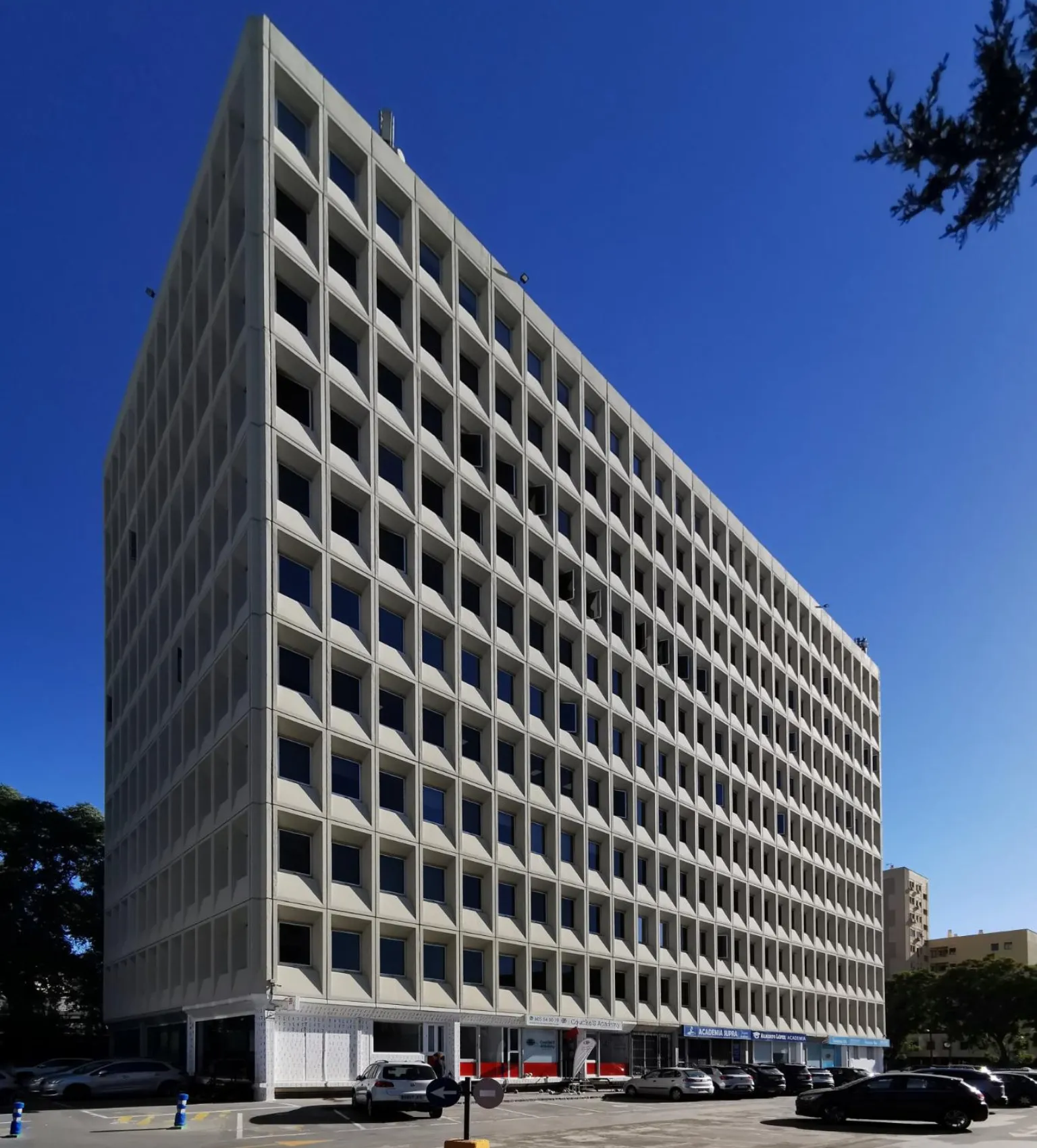
Leaks and damp issues between properties.
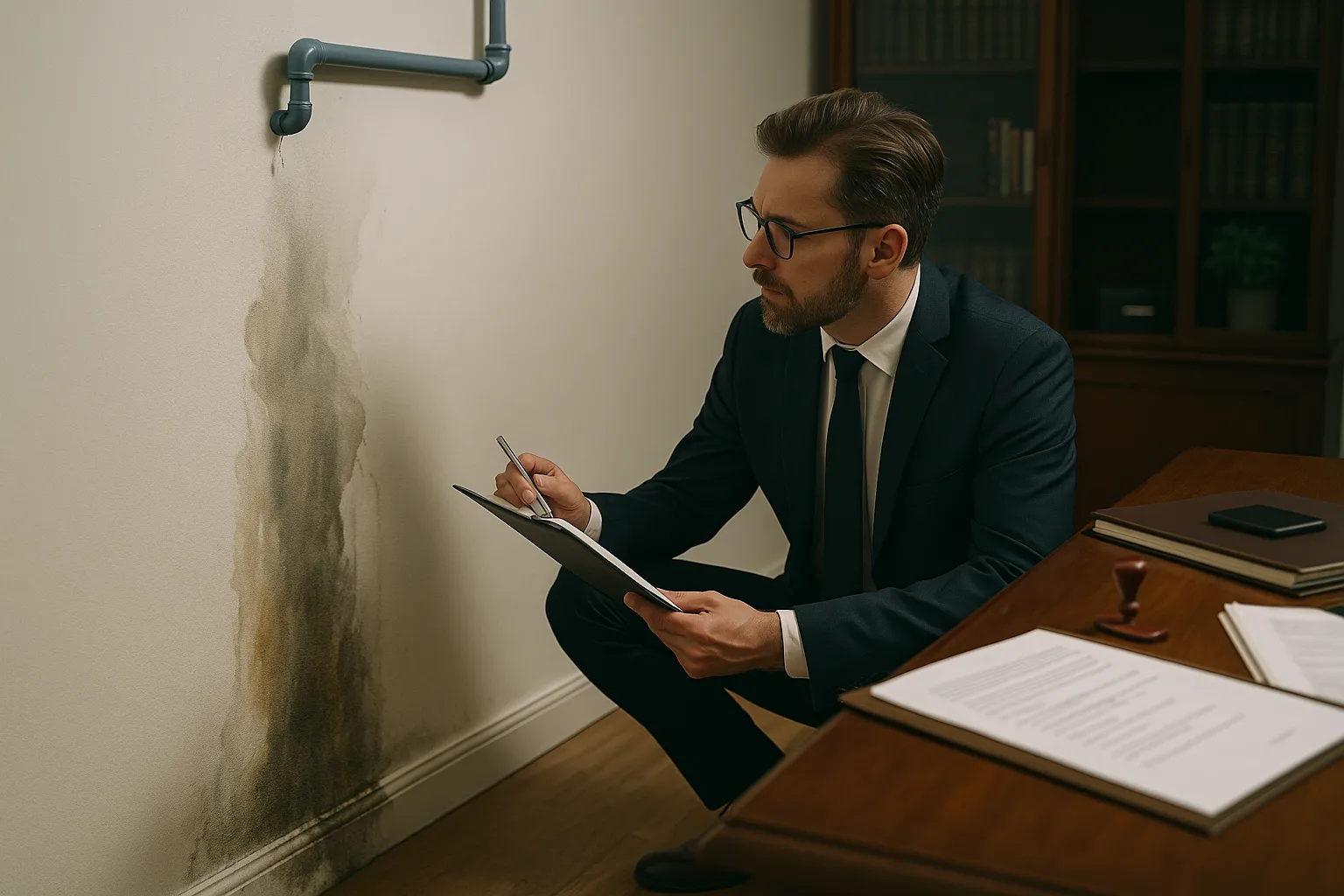
An expert assessment is essential to determine liability. Without technical evidence, any claim is based on assumptions. It is necessary to establish whether the origin lies in a common element, a private element, or an individual installation.
Legal representation of the community.
Representation when the community acts as claimant or defendant. The president must have legal standing, and the resolution must be recorded in the minutes with the legally required quorum.
Enforcement of General Meeting resolutions.
A resolution is enforceable if it has been notified to all owners, has not been challenged within the legal timeframe, and meets the majority requirements set out in Article 17 of the Horizontal Property Law. If any of these conditions are not met, enforcement may be challenged and the process delayed.
I want to resolve an issue in my community
